
The Eco-Friendly Commercial Fridge: Tips for Energy Efficiency
Today, when environmental concerns are at the forefront, businesses need to adopt eco-friendly practices. For restaurants, supermarkets, and other food-related establishments, the commercial fridge is a critical asset that plays a pivotal role in preserving perishable goods. Optimising its energy efficiency not only contributes to the going-green trend but also ensures operating costs saving.
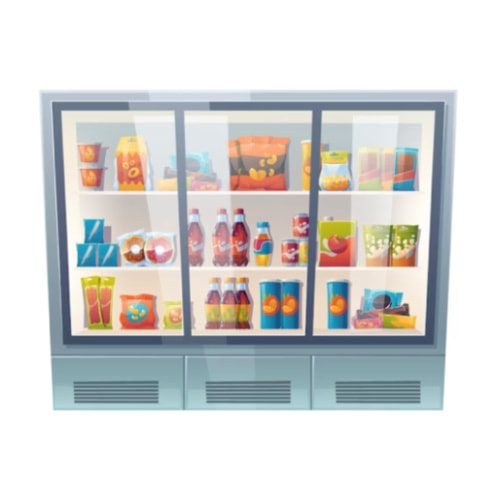
This article aims to equip business owners and operators with practical tips to enhance the energy efficiency of their commercial fridges.
Proper Refrigerator Sizing
Appropriate Fridge Size for Your Needs
- Optimise energy efficiency by choosing the right-sized commercial fridge for your specific requirements. Avoid selecting oversized units as they consume more electricity than necessary.
- Calculate your storage needs accurately, factoring in projected growth, and invest in a fridge that perfectly matches your business demands.
- Hybrid cooling systems combine different cooling technologies to enhance efficiency. Look for fridges that utilise a combination of conventional refrigeration and air circulation methods.
Regular Maintenance and Care
Of course, without proper care, no fridge can stay sustainable and eco-efficient. For example, four of ten call-outs for commercial fridge repair in London is a result of poor care. So, follow the practice discussed below.
- Keep Condenser Coils Clean. To clarify, dirty condenser coils restrict airflow, forcing the fridge's compressor to work harder and consume more energy.
- Inspect Door Seals Regularly and Replace Damaged Ones. Faulty door seals lead to cold air leakage, causing the fridge to work overtime to maintain the set temperature.
- Optimise Temperature Settings. Set the fridge's temperature to the recommended level for optimal food preservation. Lowering the temperature excessively leads to unnecessary energy consumption.
Utilising Sustainable Refrigerants
Transition to Eco-Friendly Refrigerants
- Phasing out hydrochlorofluorocarbons (HCFCs) and hydrofluorocarbons (HFCs) in favor of eco-friendly alternatives can significantly reduce greenhouse gas emissions.
- Opt for refrigerants with lower global warming potential (GWP) to mitigate environmental impact.
- Natural refrigerants such as ammonia, carbon dioxide, and hydrocarbons are eco-friendly alternatives with minimal impact on the environment.
- Embrace these sustainable refrigerants in your commercial fridges for a greener operation.
Enhancing Insulation and Airflow
Invest in High-Quality Insulation
- A well-insulated fridge reduces temperature fluctuations, ensuring consistent cooling without excessive energy consumption.
- Choose fridges with high-quality insulation materials and seamless construction.
- Arrange products inside the fridge strategically to allow for proper airflow and even cooling throughout the storage space.
- Avoid overstocking the fridge, which can hinder air circulation and compromise energy efficiency.
Leveraging Technology for Efficiency
- Adopt Energy-Efficient Models. When purchasing a new commercial fridge, opt for models with the ENERGY STAR label, indicating compliance with energy efficiency standards.
- Utilise Remote Monitoring Systems. Synch systems provide real-time data on fridge performance, temperature, and energy consumption. So, you can make data-driven decisions.
Training and Awareness
Train Staff on Best Practices
- Educate employees about energy-efficient practices, such as keeping doors closed, reporting maintenance issues promptly, and organizing storage effectively.
- Empower your team to be active participants in energy conservation.
Conclusion
By implementing the tips mentioned in The Eco-Friendly Commercial Fridge: Tips for Energy Efficiency, businesses can actively contribute to environmental sustainability while benefiting from cost savings. Opting for the right-sized fridge, performing regular maintenance, using sustainable refrigerants, enhancing insulation, and leveraging technology can collectively result in substantial energy efficiency improvements. As more businesses prioritise eco-friendly practices, we move closer to a greener and more sustainable future.