The Maintenance Mindset: Cultivating Best Practices
When it comes to the catering industry, the reliability of your appliances can make or break your business. The last thing you want during a busy event is for your equipment to fail. That's why cultivating a maintenance mindset is crucial.
Here, we will delve deep into the best practices for caring for catering appliances. Whether you're a seasoned chef or just starting your catering venture, these tips will help you keep your appliances running smoothly.
Here, we will delve deep into the best practices for caring for catering appliances. Whether you're a seasoned chef or just starting your catering venture, these tips will help you keep your appliances running smoothly.
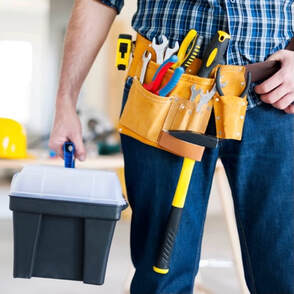
The Maintenance Mindset: Understanding the Importance
Catering appliances, such as ovens, grills, fridges, and dishwashers, are the lifeblood of any catering operation. Neglecting commercial catering equipment maintenance can lead to costly breakdowns, health and safety hazards, and even reputation damage. Adopting a proactive maintenance mindset can help you avoid these pitfalls and ensure your appliances perform optimally.
Regular Inspections
Implement a routine inspection schedule for all your appliances. Regularly check for signs of wear and tear, loose components, and any unusual noises or odours. Address minor issues promptly to prevent them from escalating.
Regular Cleaning and Sanitising
Proper cleaning is the foundation of appliance maintenance. Clean appliances not only function better but also contribute to food safety and hygiene. Establish daily, weekly, and monthly cleaning routines for each appliance.
Scheduled Servicing
Plan and schedule routine servicing by qualified technicians. This includes preventive maintenance like lubricating moving parts, replacing worn-out components, and testing safety features. Keep detailed records of these services.
Documentation
Maintain detailed records of all maintenance activities, including dates, technicians involved, and parts replaced. This documentation is crucial for tracking the health of your appliances and can aid in warranty claims.
Best Practices for Specific Appliances
Ovens: Regularly clean oven interiors, including racks and trays, to prevent the buildup of grease and residue. Check and replace gaskets and heating elements as needed.
Fridges and cold rooms: Clean condenser coils to improve efficiency. Ensure that door seals are airtight to maintain temperature consistency.
Dishwashers: Regularly descale the dishwasher to prevent limescale buildup. Inspect and clean nozzles, filters, and spray arms to maintain proper water flow.
Grills: Keep grill grates clean to prevent food residue buildup, which can lead to uneven heating. Check gas lines and connections for leaks regularly.
Fridges and cold rooms: Clean condenser coils to improve efficiency. Ensure that door seals are airtight to maintain temperature consistency.
Dishwashers: Regularly descale the dishwasher to prevent limescale buildup. Inspect and clean nozzles, filters, and spray arms to maintain proper water flow.
Grills: Keep grill grates clean to prevent food residue buildup, which can lead to uneven heating. Check gas lines and connections for leaks regularly.
Conclusion
Caring for catering appliances is not just about fixing things when they break; it's about adopting a proactive maintenance mindset. Regular inspections, cleaning, scheduled servicing, staff training, and meticulous documentation are the pillars of effective appliance maintenance. By following these best practices, you can ensure that your catering appliances operate smoothly, maintain food safety standards, and contribute to the success and reputation of your catering business. Remember, a well-maintained kitchen is a recipe for success!